Measles Frequently Asked Questions
Measles is a highly contagious virus that causes fever and a rash. Measles can cause other serious health complication. Anyone who is not vaccinated can get measles at any age.
How does measles spread?
The measles virus lives in an infected person's nose and throat mucus. When that person sneezes or coughs, the virus sprays into the air and people can breath in the virus. The virus remains active and contagious in the air for up to two hours. People can also get measles by touching a surface that has the virus on it and then touching their eyes, nose or mouth.
Measles is highly contagious - if one person has it, 90% of people around them will also get it if they are unvaccinated or otherwise not immune.
What are the symptoms of measles and when do they start?
Early symptoms of measles include fever, which can reach more than 104 degrees Fahrenheit (40 degree Celsius); cough; runny nose; and red watery eyes. Three to five days after symptoms start, a rash of red spots appears on the face and then spreads over the entire body.
Symptoms usually start seven to 14 days after contact with the virus; symptoms may start late as 21 days after exposure.
How can I protect myself form measles?
Getting vaccinated is the best way to prevent measles. In the U.S., the measles vaccine is combined with mumps and rubella vaccines into one vaccine called MMR (measles, mumps and rubella). The MMR vaccine is safe and effective. Two doses of MMR vaccine are about 97% effective at preventing measles; one dose is about 93% effective. For more information about the MMR vaccine, visit https://www.cdc.gov/measles/
For more information please visit:
NYC Health: Measles Frequently Asked Questions
https://www.nyc.gov/assets/doh/downloads/pdf/imm/faq-measles.pdf
NYC Health: Measles
https://www.nyc.gov/site/doh/health/health-topics/measles.page
NEW YORK CITY DEPARTMENT OF HEALTH MONKEYPOX (Orthopoxvirus) VIRUS UPDATES
Monkeypox is a contagious disease caused by the monkeypox virus. There is currently an outbreak of monkeypox in the U.S. and other countries where the virus does not usually spread. Cases in NYC are increasing, and there are likely many more cases that have not been diagnosed. Anyone can get and spread monkeypox. The current cases are primarily spreading through sex and other intimate contact among social networks of gay, bisexual and other men who have sex with men (MSM); transgender people; gender-nonconforming people; and nonbinary people. People in these social circles who have multiple or anonymous sex partners are at a high risk of exposure. If you have a new or unexpected rash or sores, contact a health care provider.
Transmission
In the current outbreak, the monkeypox virus is spreading mainly during oral, anal and vaginal sex and other intimate contact, such as rimming, hugging, kissing, biting, cuddling and massage.
The virus can spread through:
- Direct contact with a rash or sores of someone who has the virus
- Contact with clothing, bedding and other items used by a person with monkeypox
- Prolonged face-to-face contact
Experts are currently studying whether the virus can also spread through semen, saliva, feces and other body fluids. People can spread the virus when they have symptoms. Experts are studying whether the virus can spread before symptoms start or after they end.
Symptoms
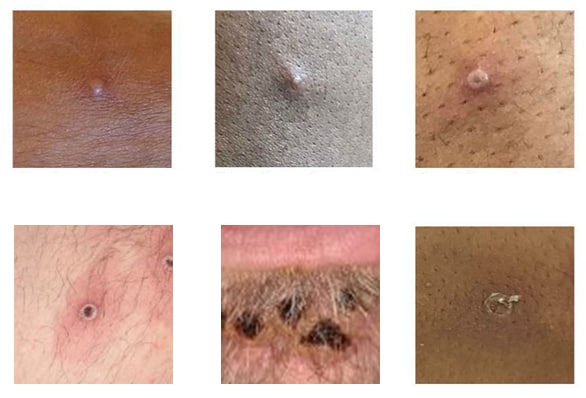
In the current outbreak, hospitalization and death from monkeypox are rare, but symptoms can still be painful and interfere with daily activities. Symptoms usually start within two weeks of exposure, but in some cases they may not appear for up to 21 days. Symptoms can last for two to four weeks. The most common symptom is a rash or sores that can look like pimples or blisters. These may be all over the body or just in certain parts, such as the face, hands or feet, as well as on or inside the mouth, genitals or anus. The rash and sores can be extremely itchy and painful, and sores in the anus or urethra can make it hard to go to the bathroom. Some people also have flu-like symptoms, such as sore throat, fever, swollen lymph nodes, headache and tiredness. Complications can include inflammation of the lining of the rectum (proctitis), or sores that could result in scarring of the eye, mouth, anus or urethra.
Testing
If you have symptoms of monkeypox, you should see a health care provider for testing. If you do not have a provider, call 311 or search the NYC Health Map. You should only get tested for monkeypox if you are experiencing symptoms.
Testing involves a provider taking a swab of a sore. Only your provider — not the Health Department — can give you the test result. While you are waiting for your test result, which can take a few days, isolate from others.
For the most up-to-date data about monkeypox cases in NYC, visit the Monkeypox Data page.
Vaccination Appointments
Vaccine supply remains low. NYC is receiving a limited number of doses from the federal government, and we are making them available to New Yorkers as quickly as possible. Appointments are now available but are expected to fill up quickly. If you are eligible, you can make an appointment by clicking on the button below, or by calling 877-VAX-4NYC (877-829-4692). For more information please visit https://www1.nyc.gov/site/doh/health/health-topics/monkeypox.page
NEW YORK STATE DEPARTMENT OF HEALTH CORONA VIRUS UPDATES
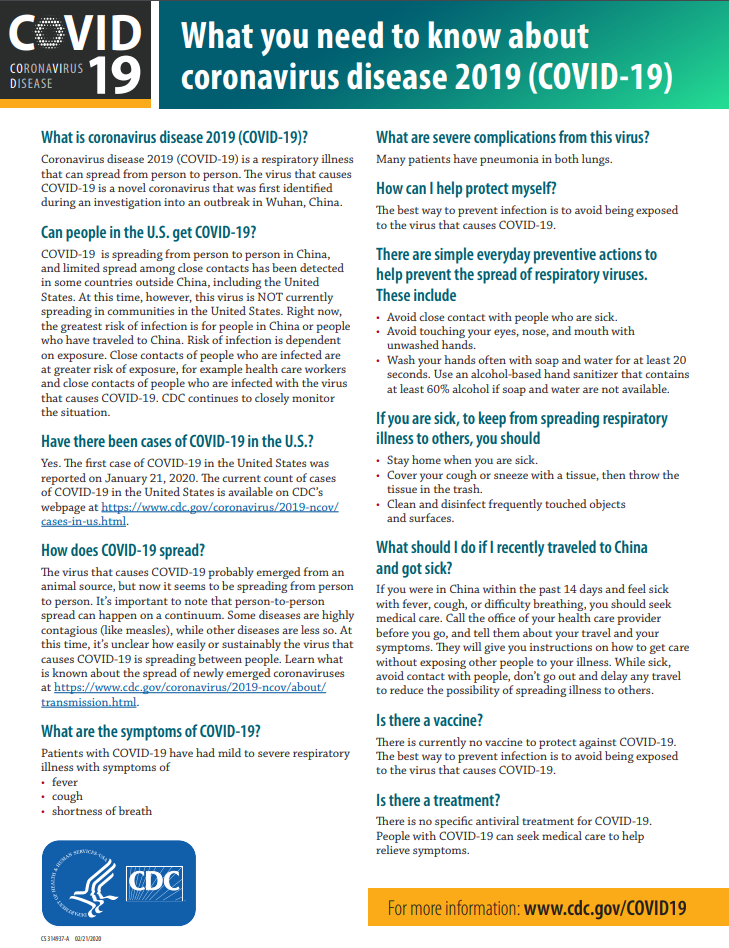
As of March 7, 2022, CUNY continues to follow the latest CDC guidance on isolation and quarantine. Any students, staff or faculty who test positive with COVID-19 or are exposed to someone with COVID-19 must follow these guidelines, as outlined below, prior to returning to campus. If you are required to isolate or quarantine, you must receive a negative test or doctor’s certification prior to returning to campus.
- Isolation Guidelines if You Test Positive for COVID-19
Everyone, regardless of vaccination status.
- Stay home for 5 days (day 0 is your first day of symptoms, or the day of your first positive test if you do not develop symptoms).
- If you have no symptoms or your symptoms are resolving after 5 days, you can leave your house.
- In order to return to CUNY after isolation, you must receive a negative PCR or Antigen test (we strongly recommend an Antigen test, if available).
- Collect the test sample only if you are fever-free for 24 hours without the use of fever-reducing medication and your other symptoms have improved.
- If your test result is positive, you should continue to isolate until day 10. Following day 10 you must receive a negative PCR or Antigen test before returning to CUNY.
- In lieu of a negative test, individuals may provide a doctor’s certification that they have recovered from COVID-19.
- Continue to wear a well-fitting mask around others for 5 additional days; if you cannot wear a mask, continue to isolate for 5 days.
- If you have a fever, continue isolation until you are fever-free for 24 hours without the use of fever-reducing medication.
- If you were severely ill with COVID-19 you should isolate for at least 10 days. Consult your doctor before ending isolation.
- If You Were Exposed to Someone with COVID-19
- Any New Yorker can call the COVID-19 Emotional Support Hotline at 1-844-863-9314 for mental health counseling.
COVID-19 Testing Information
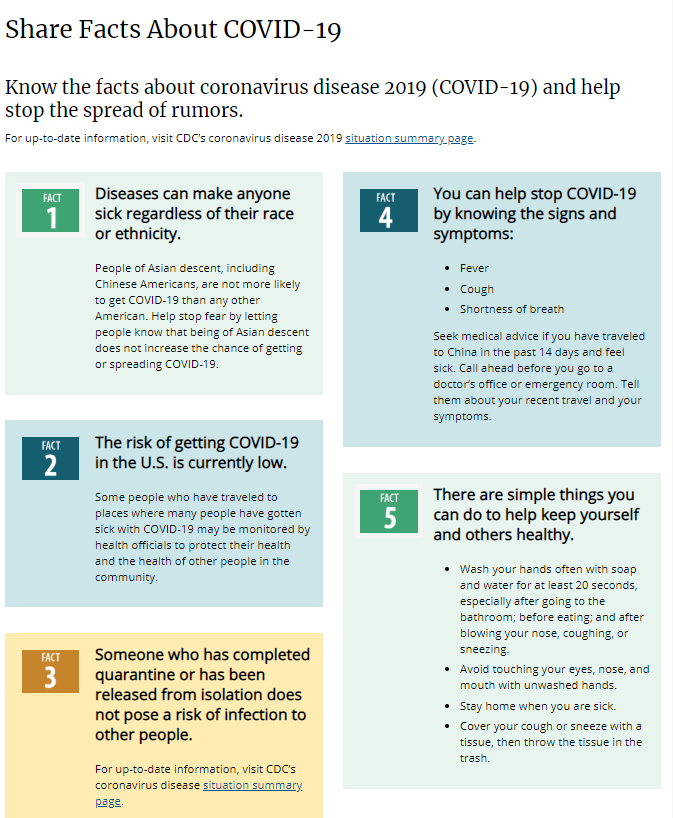
There are hundreds of convenient testing sites across the city, as well as mobile testing units visiting different locations throughout the five boroughs. Mobile testing sites are currently only testing people 2 years and up. For more information about testing and locations in New York City please visit:
https://www1.nyc.gov/site/coronavirus/get-tested/covid-19-testing.page
https://www.castlighthealth.com/covid-19-resource-center/
Legionnaires' Disease in Central Harlem
Since July 25th 2025, fifty-eight people have been diagnosed with Legionnaires' disease. As of August 4th 2025, the NYC Health Department has provided and update on the investigation into a community cluster of Legionnaires' disease in Central Harlem (ZIP codes 10027, 10030, 10035, 10037, and 10039) and bordering communities.
People living or working in the area with flu-like symptoms, such as cough, fever, chills, muscle aches, or difficulty breathing should contact a health care provider IMMEDIATELY. It is especially important for people at higher risk - including those ages 50 and older, cigarette smokers, and people with chronic lung disease or compromised immune systems - to get care if they have symptoms.
For more information, please visit : NYC Health
What is TB?
Tuberculosis (TB) is a bacterial infection that is typically spread through the air when an infected person coughs or speaks, for example. People with active TB disease are most likely to spread TB germs to people they spend time with every day, and not to people with whom they have brief contact.
· TB cannot be spread by touching surfaces, handshakes, or other casual contact.
· There are medications available to treat and prevent active TB.
· Additional information about TB is available on the CDC Website (add the link below).
https://www.cdc.gov/tb/media/pdfs/What_You_Need_to_Know_About_TB.pdf
Concerned About Possible TB Exposure?
Please contact your primary care physician (PCP).
If you unable to see your PCP, please see the list of resources below:
Harlem United - "The Nest"
169 West 133rd Street
New York, NY 10030
P: 212.849.2780
CityMD - Walk-in Clinic (Urgent Care)
Click on the link below to find a location near you.
Or you may contact the SHS office for a referral to Harlem Hospital Family Health Clinic. We can be reached via email at shs@ccny.cuny.edu or over the phone at 212.650.8222.
COVID-19 Vaccine Mandates
Effective May 23, 2023, CUNY will end the emergency vaccination mandate for all faculty, staff, and students. Campus random testing & testing locations, use of Cleared4, and restrictive campus access will also end/close as of June 2023.
Covid-19 Protocol on Face Coverings
In response to revised guidance issued by the CDC, we are lifting the temporary mask mandate that has been in place since August 2021, which required all CUNY students, faculty, staff, and visitors to wear masks inside University campuses, office buildings, classrooms, and other non-enclosed spaces. This policy change, which takes effect on Monday, March 7, follows recent announcements by Governor Hochul and Mayor Adams that ended mask mandates for pre-K through 12th-grade schools across New York State and City.
Anyone who wants to continue wearing a mask in any setting is welcome to do so. Masks will continue to be available on campus for people who want them. The CDC does not require people to wear masks in communities with low or medium COVID-19 levels, like New York City’s five boroughs. However, we urge the small number of faculty, staff, and students who are not vaccinated, or those who have been or will be granted a medical exemption or religious exception, to wear a mask.
For more information, please visit https://www.cuny.edu/coronavirus/university-updates/mask-policy-update/…;
Masks are optional and are not required.
COVID-19 HEALTH TIPS
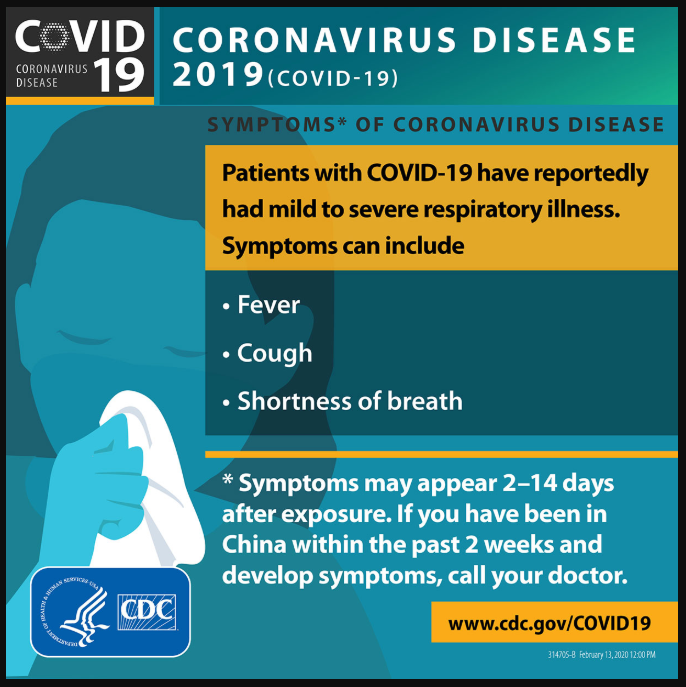
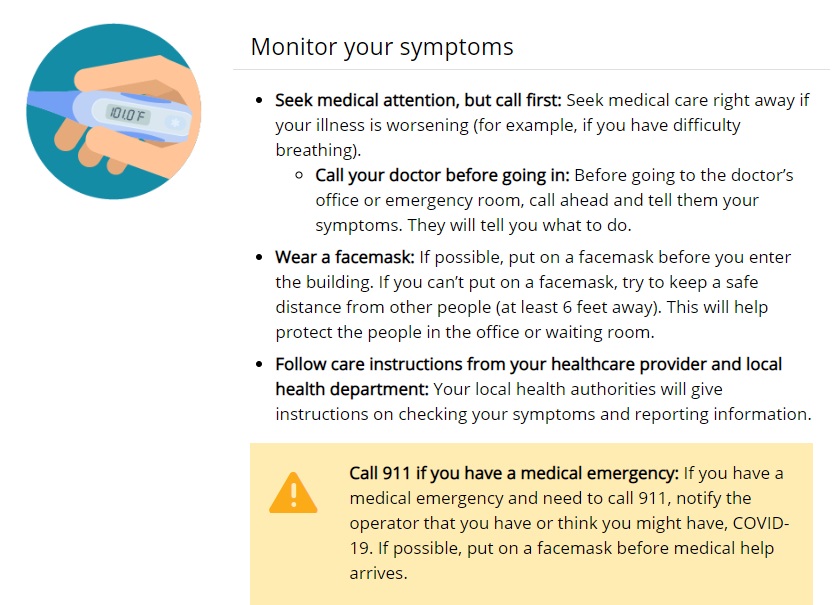
Students that may be experiencing symptoms related to the coronavirus are encouraged to contact their medical provider or contact 311 for further instructions:
For more information, please visit:
The Centers for Disease Control and Prevention
New York City Health
https://www1.nyc.gov/site/doh/health/health-topics/coronavirus.page
Student Health Services Provided
Student Health Services (SHS) is committed to providing quality care and empowering students to make informed decisions about their health.
Clinical services provided by Registered Nurses are free and confidential for all currently enrolled CCNY students.
Health and Wellness Services is committed to helping students with questions and concerns regarding health issues, health insurance enrollment, immunization requirements, referrals, etc.
For help finding a NYS vaccination site, please visit https://am-i-eligible.covid19vaccine.health.ny.gov/
CONTACT US
Have a question, don't hesitate to get in touch with us at 212.650.8222 or email us at shs@ccny.cuny.edu
The Health and Wellness Office is open Mondays-Fridays, 9 am - 5 pm.
Student Health Services is a part of Health and Wellness Services in the Division of Student Affairs.
For more information on Coronavirus (COVID-20119) visit:
https://www1.nyc.gov/site/doh/health/health-topics/coronavirus.page


Last Updated: 08/31/2026 03:38