
Welcome
Welcome to the Experimental Aerodynamics and Multiphase Flow Laboratory (ExAM-Flow Lab) in the Department of Mechanical Engineering at The City College of New York. The ExAM-Flow Lab develops advanced experimental methods to investigate how gases, liquids, particles, plasmas, and surfaces interact under challenging conditions. Our work connects fundamental thermal-fluid science with aerospace safety, additive manufacturing, energy systems, and environmental applications.
Recent Highlights of ExAM-Flow
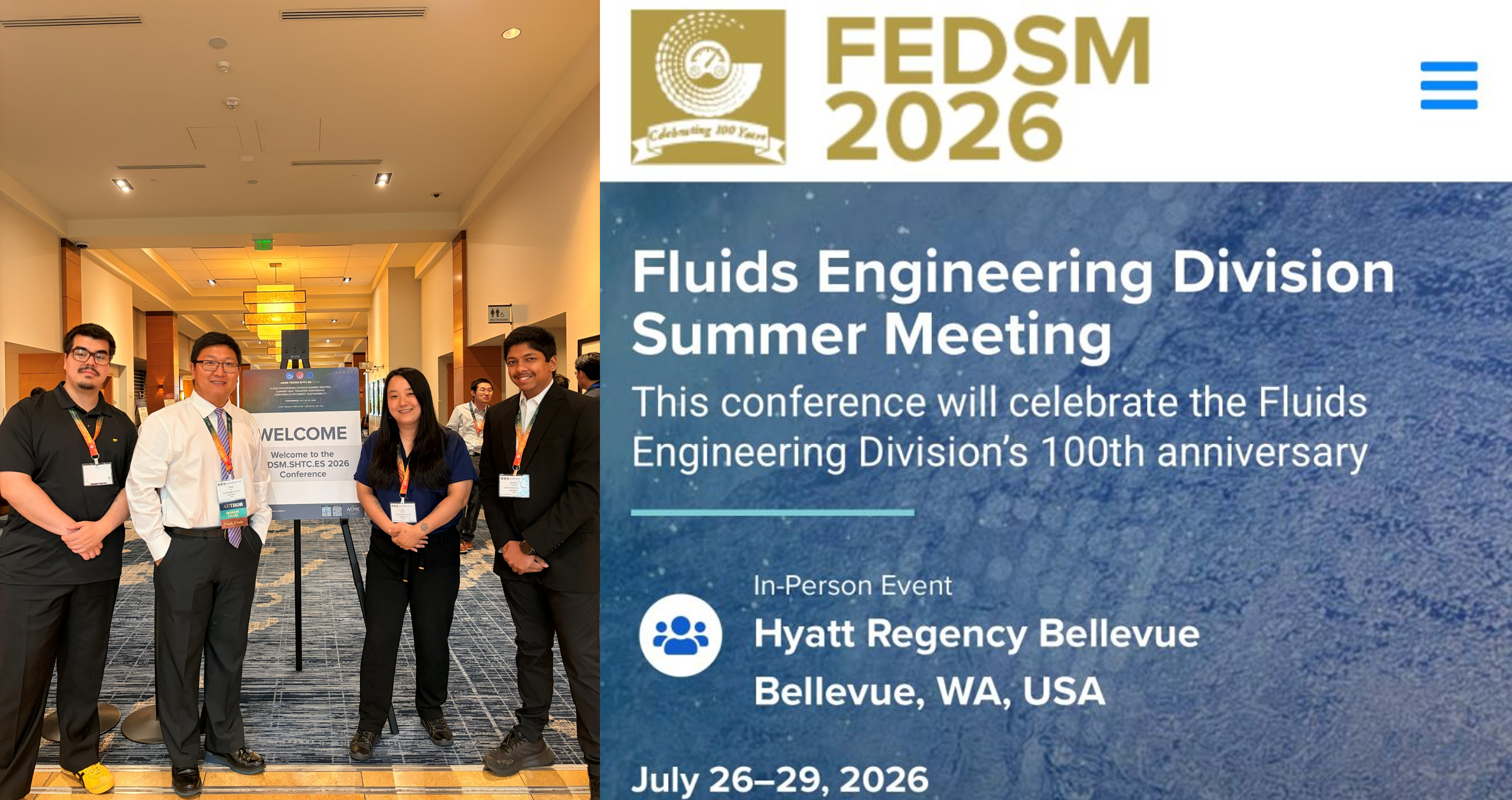
Four Papers Presented at ASME FEDSM 2026
ExAM-Flow researchers presented four papers at the 2026 ASME Fluids Engineering Division Summer Meeting, sharing the laboratory’s latest advances in experimental aerodynamics and multiphase-flow research.
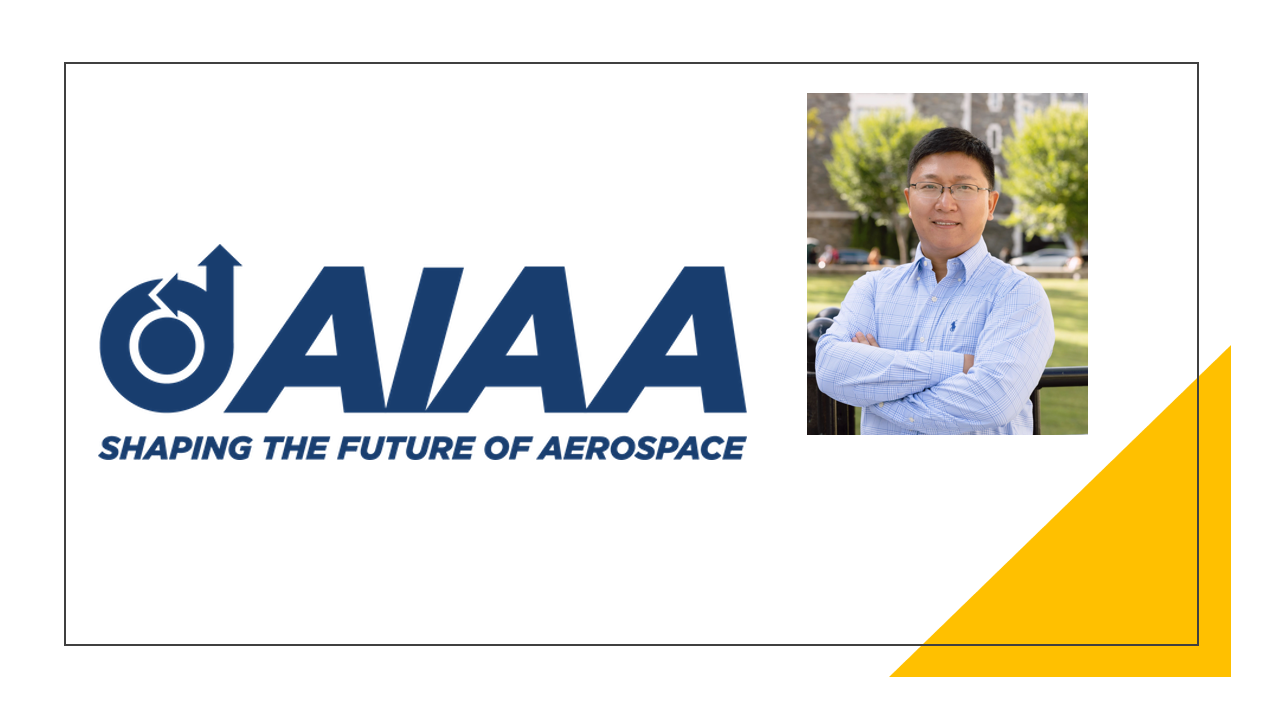
Dr. Yang Liu Elected AIAA Associate Fellow
ExAM-Flow director Dr. Yang Liu has been elected to the AIAA Class of 2026 Associate Fellows. The honor recognizes his contributions to experimental aerodynamics, multiphase flow, aircraft icing, additive manufacturing, and plasma–droplet interactions.
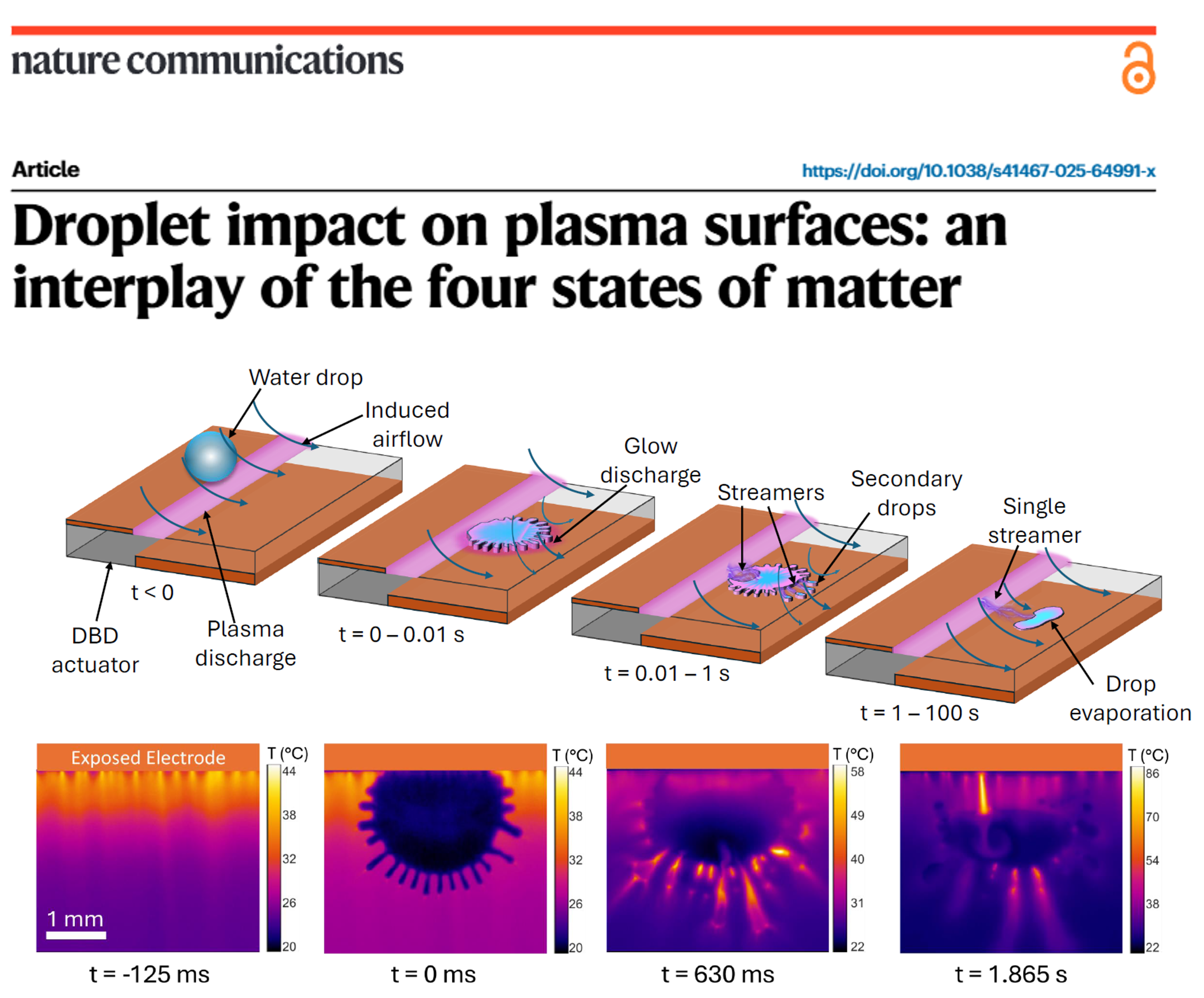
ExAM-Flow Research Published in Nature Communications
ExAM-Flow researchers have published a new study, “Droplet Impact on Plasma Surfaces: An Interplay of the Four States of Matter,” in Nature Communications.
The study investigates what happens when a water droplet strikes a dielectric surface covered by plasma, creating a complex interaction among solid, liquid, gas, and plasma. The experiments reveal enhanced droplet spreading, finger-like instabilities, localized micro-discharges, and changes in heat transfer, evaporation, and plasma behavior. These findings advance the understanding of plasma–liquid–surface interactions and may contribute to plasma-assisted flow control, aircraft de-icing, disinfection, water treatment, and other emerging technologies.

Contributions from the ExAM-Flow Lab
ExAM-Flow contributes to fundamental discovery, engineering innovation, student development, and the broader scientific community.
Core Research Areas
Low- and high-speed aerodynamics, plasma science, icing physics, 3D printing, and energy.
Scholarly Contributions
Peer-reviewed journal articles, conference papers, books, book chapters, and invited presentations.
Levels of Student Training
Research opportunities and mentoring for graduate, undergraduate students, and K-12 students/teachers.
Application Sectors
Aerospace, energy, advanced manufacturing, biomedical, and environment.

