Kylee Pastore Asirvatham
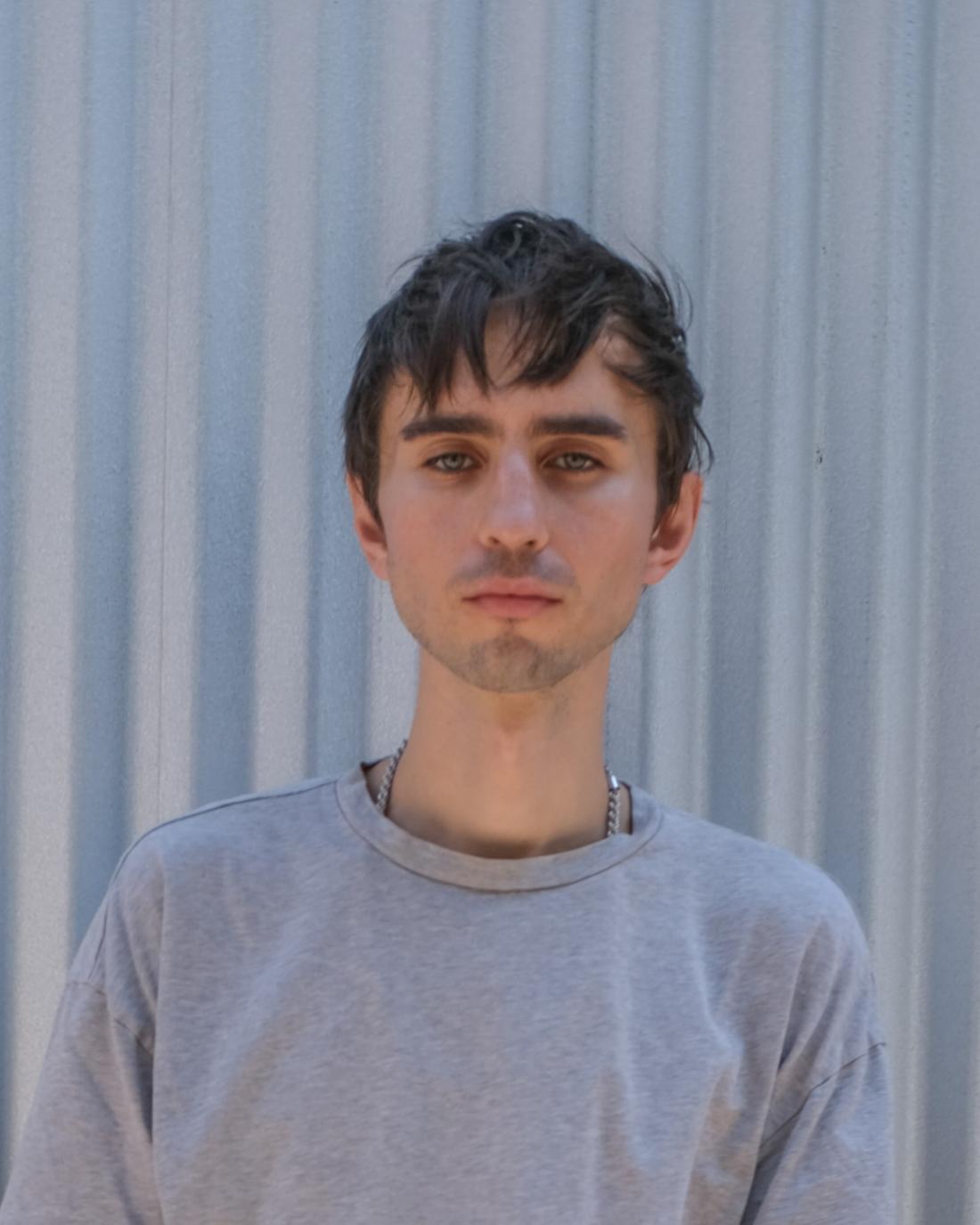
Our series highlighting students who spent eight weeks at Stanford University through the Stanford/CCNY Summer Research Program in the Humanities concludes with our final installment. Each summer, this program pairs up to five H&A students with Stanford faculty mentors, offers a weekly seminar on research and graduate pathways, and provides space and support for students to pursue a focused scholarly project.
In this closing feature, we spotlight Igor Prohorko, a senior whose research at Stanford explored the rapidly evolving world of large language models and artificial intelligence: specifically, how humans perceive AI, why we trust it, and what happens when we begin to personify it. Drawing on ancient philosophy, cognitive psychology, and even science fiction, Igor investigated the subtle ways AI systems take on “proto-personality” traits that lead users to treat them as authoritative beings.
Read on for Igor’s full Q&A, ranging from biking up hills in Palo Alto to rethinking his graduate school plans, and how the program helped him find a deeper sense of community and direction.
Q: What was your research project about, and how did you choose that topic?
My project explored large language models and artificial intelligence through the lens of philosophy, focusing especially on the biases they contain and how people perceive and trust LLMs. Ever since such technologies became an integral part of our lives, I was curious why some treat these systems as if they’re conscious or authoritative. By looking at ancient philosophical ideas and recent developments in psychology, I saw there is a mimicked stance called “proto-personality” in LLMs, an effect caused by their language patterns and design. This personification can make people place unreasonable trust in AI systems. I also drew from science fiction, which has shaped our cultural imagination around AI for decades. The more I researched, the more I realized how much our expectations for AI are influenced by stories we’ve absorbed long before these technologies existed.
Q: Did this experience change how you think about your future academic or career goals? If so, how?
Absolutely. This program focused heavily on graduate study preparation, which shaped my mind around pursuing a PhD. It helped me understand the different pathways available. I learned that it’s possible to apply directly to PhD programs. That changed how I think about my academic future and made the idea of pursuing doctoral studies feel attainable and less out of reach.
Q: What was your favorite part of the Stanford community—academic, social, or even just biking around campus?
Biking around campus was one of my favorite parts, to be honest. Stanford gave us free bike rentals, and I took full advantage. Our house was on a bit of a hill. By the end of summer, most could bike uphill. I’ve enjoyed engaging with my mentor, Mark Algee-Hewitt, as he was able to explain so much in such little time we had together. He would point me to different faculty members to speak to or suggest an experiment to run. Overall, everyone I was paired with was such a profoundly inspiring human and academic, and they all felt as if they meant to be. Being surrounded by students who are passionate about the humanities and science was inspiring. Having access to Stanford’s extensive library system also helped me focus and go much deeper into my research. Going to SF by BART was peaceful, and I felt like I needed a city after NYC.
Q: How did this program help you grow as a researcher, a student, and a person?
This program helped me connect with people from different backgrounds across the U.S. and exposed me to new opportunities for the future. Academically, it pushed me to explore research questions more deeply and think about them from multiple perspectives. As a person, it helped me build confidence and resilience, as I mainly had to pursue faculty and people from different labs in order to gather preliminary information. It did feel intimidating as the specific terminology was not something that I am used to, but I am now reflecting that being able to defend your ideas is a part of the process.
Q: What would you say to other CCNY students who are thinking of applying?
Staying engaged with your professors is important. When you talk to them after class, explore deeper topics that are of interest to you, and don’t settle for doing work you don’t find meaningful. There is always a way to discover an aspect of a class or a subject that sparks curiosity and deeper meaning. One discovery leads to another. That mindset shaped my whole academic experience, and it’s a big part of why I ended up applying to this program.
Q: What’s next for you now that you’ve completed the program?
My next step is to graduate and to keep exploring the questions that came out of my research this summer. I want to continue engaging in conversations about AI as it evolves, and I’m looking forward to finishing my studies at City College. I also hope to continue feeling inspired by the community I found at Stanford by staying connected with the people I met and continuing to grow as a researcher and student.
More information about the Stanford/CCNY Summer Research Program in the Humanities